
Kayaca fossils illuminate life from millions of years ago
Date | 14 September 2026, Monday

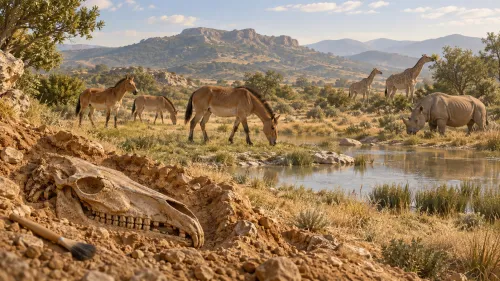
Three-toed horses, rhinoceroses, and the ancient relatives of giraffes… The fossils found in Kayaca in the Beyağaç Basin reveal the diversity of animals that lived in the region about 7.4 million years ago. Well-preserved skulls and bones provide important clues for understanding the past wildlife of Anatolia.
In the surface survey conducted in 2018, systematic excavations were carried out over three seasons between 2022 and 2024 at the Kayaca fossil site. More than 700 fossil specimens were collected from the site. Among the finds are remains of horses, antelopes, and gazelles, as well as rhinoceroses, giraffids, proboscideans, and various carnivorous animals.
An international team, including researchers from Burdur Mehmet Akif Ersoy University, compared the fossils in Kayaca with known fossil communities in Anatolia and Greece. Similarities, especially with the finds from Samos Island, indicate that Kayaca can be dated to about 7.4 million years ago.
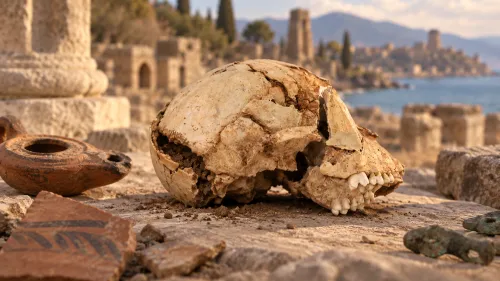
One of the striking aspects of the research is that some skulls have largely preserved their integrity. These specimens allow for detailed examination of the anatomical features of the animals and comparison with their relatives in different regions. The tooth and gnawing marks seen on some bones demonstrate the effects of carnivorous animals on these remains.
The animal community identified in Kayaca indicates the existence of an environment with grassy clearings and shrubs in the past. Researchers state that new studies are needed to elaborate on this assessment.
Located at the western edge of Asia, Kayaca is also significant for investigating the connections between ancient animal communities in Anatolia and the Aegean. The studies in the area, where the first findings were shared, are expected to contribute to understanding the changes in the region over millions of years. Fossil specimens are preserved in the Department of Anthropology at MAKÜ.
The research was published in the Palaeobiodiversity and Palaeoenvironments journal.
Article access link:
https://doi.org/10.1007/s12549-025-00666-1