
Cooking temperature can make it difficult to detect GMOs in processed foods
Date | 14 September 2026, Monday

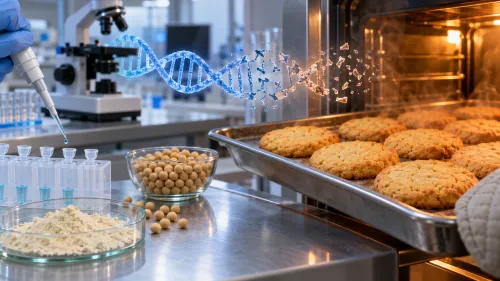
High-temperature cooking processes can break down the genetic material in processed foods, making it harder to detect GMOs. A study conducted on biscuits containing soy showed that thermal processing could affect the analysis results, especially at low GMO levels.
In the study, biscuits containing genetically modified soy flour in different proportions were baked at 190, 200, and 210 °C. The widely used real-time PCR method was then applied to the samples for GMO detection. The results showed that as the temperature increased, the fragmentation of DNA became more pronounced, and some target gene regions were damaged more than others.
This situation is particularly important at low GMO levels close to legal labeling thresholds. According to the research, thermal processing can reduce the detectability of target DNA, making some samples appear to have lower actual GMO presence than they do, and even increasing the risk of false negative results.
One of the striking results of the study is that merely looking at the amount of DNA in processed foods may not be sufficient. The fact that different gene regions are not equally affected by heat can complicate the interpretation of results from existing comparative PCR methods.
The researchers emphasize that GMO analyses in baked and heavily processed products should be adapted according to the type of food and production conditions. It is noted that the findings could contribute to the development of methods used in food control laboratories and make inspections of processed products more reliable.
The study was published in Scientific Reports.
Article access link:
https://doi.org/10.1038/s41598-026-35280-4