
Future Animal Health: Biosecurity Strategies Protecting Small-Scale Farms from Infectious Diseases
Biosecurity in Small-Scale Livestock Farming in Europe: A Veterinarian's Perspective on Infection Risks
Date | 19 October 2026, Monday

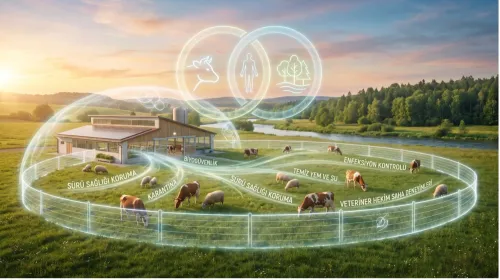
In recent years, the increasing global incidence of infectious animal diseases and zoonotic threats has become one of the most serious issues threatening animal production, farm economies, and food security. While biosecurity protocols are applied more rigorously in large-scale commercial farms, awareness and implementation levels of biosecurity in millions of small-scale and family-type livestock operations across Europe remain insufficient. A comprehensive study involving 346 field and public veterinarians from 23 countries across Europe reveals the existing biosecurity gaps in these operations and regional perception differences. In response to traditional breeding habits and resource shortages, protective biosecurity measures offer an environmentally friendly, sustainable, and cost-effective alternative. Biosecurity practices aimed at protecting animal health and welfare, as well as reducing antibiotic use, hold promise for preventing the spread of infectious diseases in line with the "One Health" approach.
Entry Controls and Quarantine Practices Reduce Infectious Disease Risk
Research findings indicate that one of the most critical steps in preventing the entry of pathogens into herds in cattle, small ruminants, pigs, and poultry farming is the monitoring of animal movements. According to veterinarians' assessments, utilizing active quarantine areas during the introduction of new animals to the herd, pre-testing the health status of animals, and sourcing animals only from high health status operations are vital. Insufficient quarantine and testing processes increase the risk of intra-herd infections; restricting uncontrolled animal purchases and maintaining intra-herd hygiene balance help prevent the spread of diseases between operations.
Hygiene Standards and Physical Barriers Provide Strong Defense Against Environmental Contamination
Among the most commonly implemented measures in small-scale livestock farming are environmental fences, carcass management, and safe feed supply. Additionally, hygiene measures such as establishing disinfection barriers at shelter entrances, using operation-specific boots and clothing, and regular manure disposal significantly reduce the environmental pathogen load. Physical barriers, such as protective nets that prevent contact with wild birds in poultry operations and double-layer environmental fences in pig farms, provide versatile protection against external contaminations. These biological and physical measures indicate a sustainable livestock future by increasing the resilience of small-scale operations against diseases.
The study conducted by an international research team, including Ramazan Yıldız from Burdur Mehmet Akif Ersoy University Faculty of Veterinary Medicine, Department of Internal Diseases, was published in the journal Research in Veterinary Science.
FWCI: 19.41
Article Access Link: https://doi.org/10.1016/j.rvsc.2026.106089